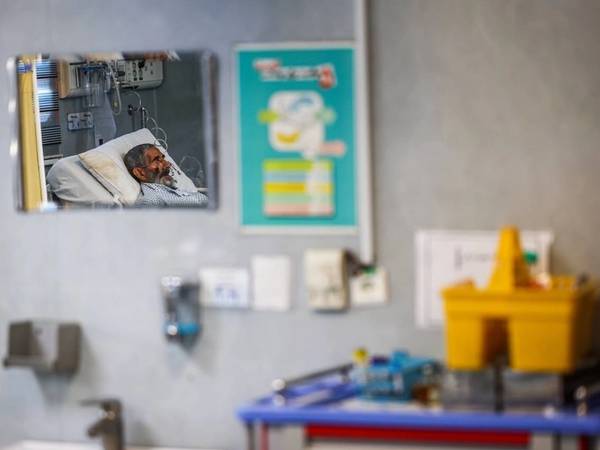
Blood reserves supplying 180 hospitals across Tehran have dropped after two weeks of heavy smog and widespread remote working reduced donor turnout, provincial officials said, warning the shortfall is beginning to affect daily supply plans.
Mohammadreza Mahdizadeh, head of Tehran Province Blood Transfusion, said the capital needs about 1,500 units a day but donations have slipped to roughly 1,100–1,200, creating a daily gap that erodes inventories.
He said mobile teams that previously collected at government offices cannot operate effectively because many staff are working from home, and even where teams can visit, “only one-third of employees are on site,” limiting volunteers.
He added that expected rain later this week typically depresses visits further.
Nationwide stocks stand at about 33,000 units – equal to 4.8 days of supply – but Tehran’s cover has fallen to 3.4 days, according to Babak Yektaperast, acting social affairs deputy at the national blood service.
He said advances in surgery and routine organ transplants have raised structural demand for blood products, widening the impact when donor turnout dips.
Yektaperast said air pollution is not, by itself, a barrier to giving blood, adding that high-risk groups such as children, the elderly, pregnant women and people with underlying diseases are already exempt from donating under blood service protocols.
“Some people may experience throat or eye irritation or chest pain from pollution, and we advise them not to donate,” he said, adding that most healthy adults remain eligible.
He said smog still depresses visits because residents prefer to stay home, while polluted days also bring more hospital admissions for conditions such as cardiac problems, upsetting the balance between donations and demand.
Daily, about 7,500 units are donated nationwide and 7,000 distributed, he said.
Mahdizadeh urged residents – “especially women and young people” – to treat donation as an essential errand during smog alerts and to check the provincial website for collection site hours.
Other provinces report pressure too. In Mazandaran, influenza and seasonal colds have sharply reduced donor turnout across all blood groups, the provincial blood service chief said on Wednesday.
Structural needs also weigh in the southeast. Sistan-Baluchestan has around 3,400 thalassemia patients who together require roughly 8,000 units a month, Yektaperast said, adding that accidents and other emergencies further strain local stocks.