Iran accused the United States of sending mixed signals on reviving nuclear talks, saying the June strikes on its nuclear facilities war undermined ongoing diplomacy and efforts toward a peaceful agreement.
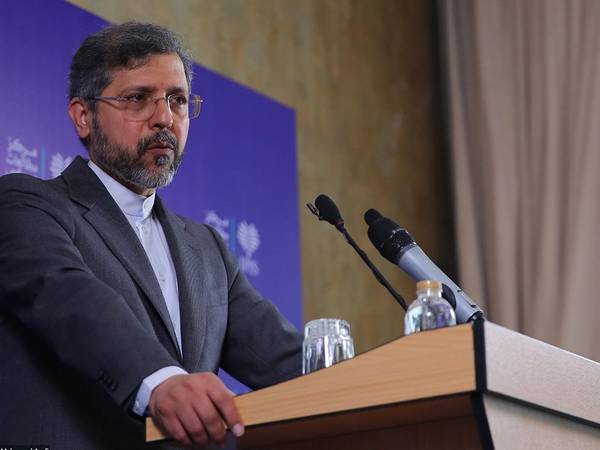
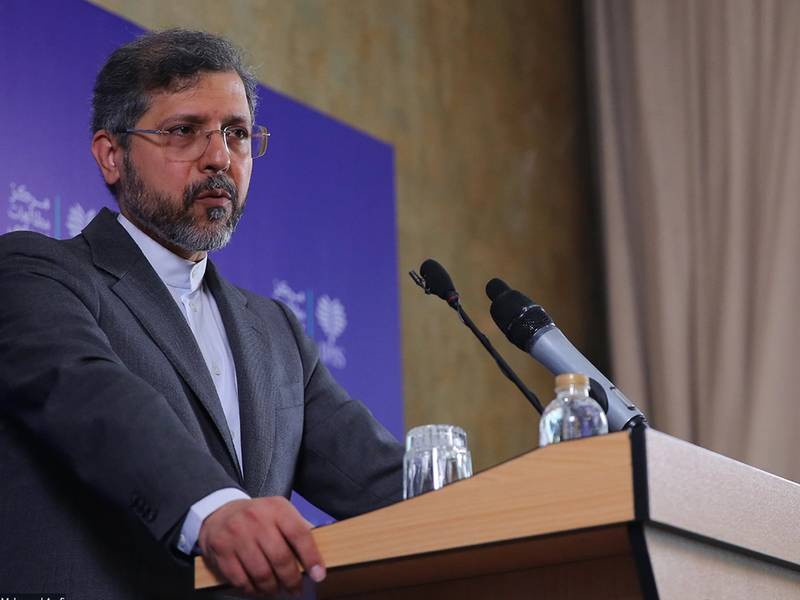
Deputy Foreign Minister Saeed Khatibzadeh told the Abu Dhabi Strategic Debate on Tuesday that Iran was engaged in indirect diplomacy when the attacks took place, calling Washington’s approach a “betrayal of diplomacy.”
He said Tehran still seeks a negotiated resolution to the decades-long nuclear dispute but will not compromise on national security.
Supreme Leader Ali Khamenei, who has final authority on foreign and nuclear policy, has said negotiations with Washington cannot continue under pressure.
Talks between Tehran and Washington, conducted indirectly through intermediaries earlier this year, have stalled since the June conflict, which Iranian officials say shattered trust. Major differences persist over uranium enrichment levels and the lifting of sanctions.
"Tehran is not seeking nuclear bombs and ... is prepared to assure the world about it. We are very proud of our home-grown nuclear program, and is against anyone who tries to sabotage and manipulate it" the diplomat added.
International monitors, including the International Atomic Energy Agency (IAEA), have reported no evidence that Iran is building a nuclear weapon, Khatibzadeh pointed out, adding that US intelligence assessments before the June conflict also indicated that Tehran was not actively pursuing bomb development.
Iran maintains that its nuclear program is entirely peaceful and subject to international oversight, arguing that Western claims of weaponization are politically motivated. US officials, however, have continued to call for stricter limits on Iran’s enrichment and missile programs.
Support for regional groups
Khatibzadeh said Iran remained in contact with regional groups it considers part of its security framework, insisting their attacks on Israel were responses to the situation in Gaza and not launched on Iran’s orders.
“I would like to challenge the concept of proxies and militias... reducing them to being Iran’s militias or proxies is oversimplifying the situation,” he said, adding that for example Hezbollah was created after the Israeli attacks to Lebanon in 1980s. “With or without Iran supporting them, the resistance would stay there."
The Iranian deputy foreign minister added, “Has anybody noticed that Hezbollah has fired any bullets on behalf of Iran in the past few months? Everything Hezbollah has done has been for the cause of Palestine.”
On Monday, Foreign Minister Abbas Araghchi told parliament that Tehran had devoted much of its diplomatic capacity to supporting the so-called “axis of resistance,” a term it uses for allied movements in Lebanon, Syria, Iraq, Yemen and among Palestinian factions.