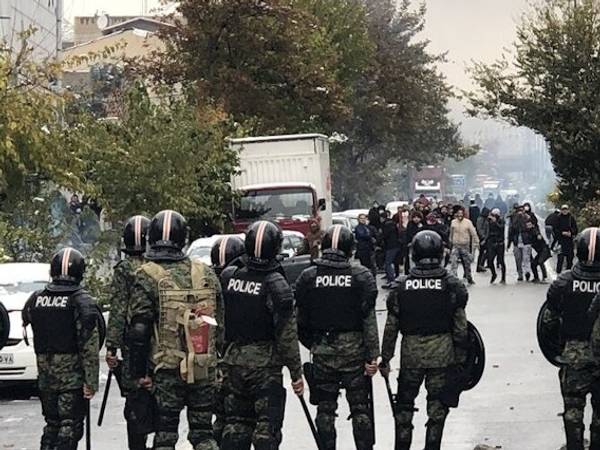
The United Nations fact-finding mission on Iran, created after mass protests were crushed in 2022, has emerged as a rare instrument of accountability whose survival now rests on the political and financial will of the international community.
For decades, oversight of Iran’s human rights record was limited to a Special Rapporteur whose reports carried weight but lacked teeth.
The new mission, however, was built not only to observe but to investigate, document and preserve evidence for criminal prosecutions—evidence that could one day bring Iranian officials before international or national courts abroad.
In just two years, it has produced thousands of pages—legal findings, testimonies and analyses on women’s and minority rights.
Together, the effort paints a grim picture of systematic human rights violations in Iran, some amounting to crimes against humanity.
Limited mandate
That phrase matters. It elevates abuses from the realm of “domestic affairs” to international crimes the world cannot ignore. It also affirms what Iranian civil society has long argued: repression is not episodic but systemic.
Yet the mission has faced constraints by design.
Its initial mandate was limited to the protests and crackdowns after death of a young woman, Mahsa Amini, in morality police custody in September 2022.
That scope left little room to probe earlier waves of dissent such as the December 2017 protests or the bloody crackdown of November 2019, despite clear evidence of the same patterns of violence and impunity.
Only in March did the Human Rights Council expand the mandate, acknowledging that accountability cannot be sliced into timeframes convenient for perpetrators.
The United Nations itself is under financial strain and political pressure from states wary of setting precedents for scrutiny. Iran continues to deny all allegations, dismissing international scrutiny as “Western interference.”
Against erasure
The mission is vital for two reasons. First, it amplifies the voices of victims and families silenced inside Iran. Second, it builds a legal infrastructure for future prosecutions, whether under universal jurisdiction abroad or in tribunals yet to be created.
These records matter: they are the antidote to impunity, preserving memory when a government seeks erasure.
On the third anniversary of the “Woman, Life, Freedom” movement, the question is whether the international community will provide the political and financial backing to keep this mechanism alive.
Civil society has done its part—collecting testimonies, documenting abuses, and risking lives for the truth. Governments must now ensure this work does not wither under budget cuts or diplomatic fatigue.
In an era of deep cynicism about international institutions, this mission is a rare instrument that offers both hope and a pathway toward justice.