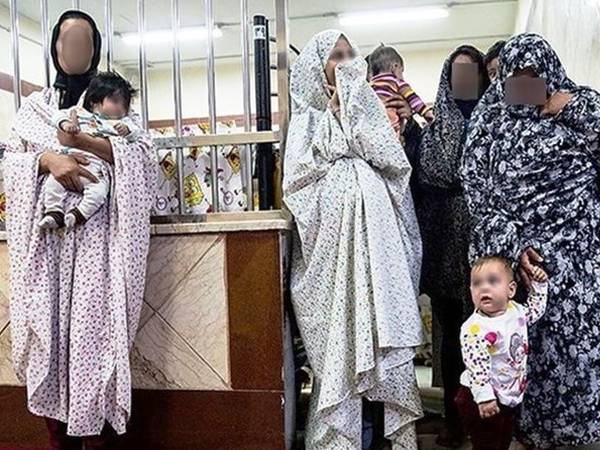
The number of women imprisoned for debt in Iran has risen sharply, Iran Human Rights Monitor reported on Friday, adding that many are held for extended periods over unpaid loans, rents or other financial obligations.
The report said worsening economic conditions, including inflation, unemployment, and rising living costs, have contributed to the increase in debt-related arrests.
HRM is an online monitoring group that works with the exiled opposition group the National Council of Resistance of Iran. The banned Mujahideen-e-Khalq (MEK) is the largest component of the NCRI whose leaders are based in Paris.
“Many women remain in prison simply because they cannot pay financial obligations, even when the amounts are relatively small,” HRM said.
“Women often face longer pre-trial detention and limited access to legal support compared with men,” The report added. “Single mothers, widows, and women from low-income households are disproportionately affected, leaving families without primary caregivers.”
Iran's parliament is currently pursuing a draft bill to curb the criminalization of debt, but one of its provisions reduces financial benefits for brides in a move that has been criticized by women's rights advocates.
‘Family structure’
The report said the broader social consequences of debt imprisonment, as the effects go beyond just imprisonment and dealing with sentencing.
“Debt-related imprisonment is not only about paying off a financial obligation but often about destroying a family’s structure,” the report said. “Children of incarcerated women may experience disrupted schooling and increased economic insecurity, compounding the hardship faced by families.”
Financial strain is mounting in Iran as Western and international sanctions have tightened, with the currency the Rial hitting an all time low of 1.2 million compared to the dollar this week.
Costs for basic goods like medicine and food staples have risen a standards of living have sunk, in developments officials blame on sanctions aiming at regime change but critics ascribe to bad policy decisions, corruption and mismanagement.
The report urged Iranian authorities to adopt measures to reduce detention for financial debts, including a revision directive in sentencing.
“Alternative dispute resolution, community service, or installment repayment programs should be prioritized to prevent unnecessary incarceration.” The report said. “Debt-related imprisonment should not be used as a tool against women facing economic hardship.”
Many social and financial laws in the Islamic theocracy favor men.
The report said without reform, the number of women jailed for financial debts is likely to continue rising, increasing social inequalities and deepening the human costs of Iran’s economic crisis.
Iran’s Sharia-based legal framework contains numerous provisions that disadvantage women, particularly in family and inheritance law.